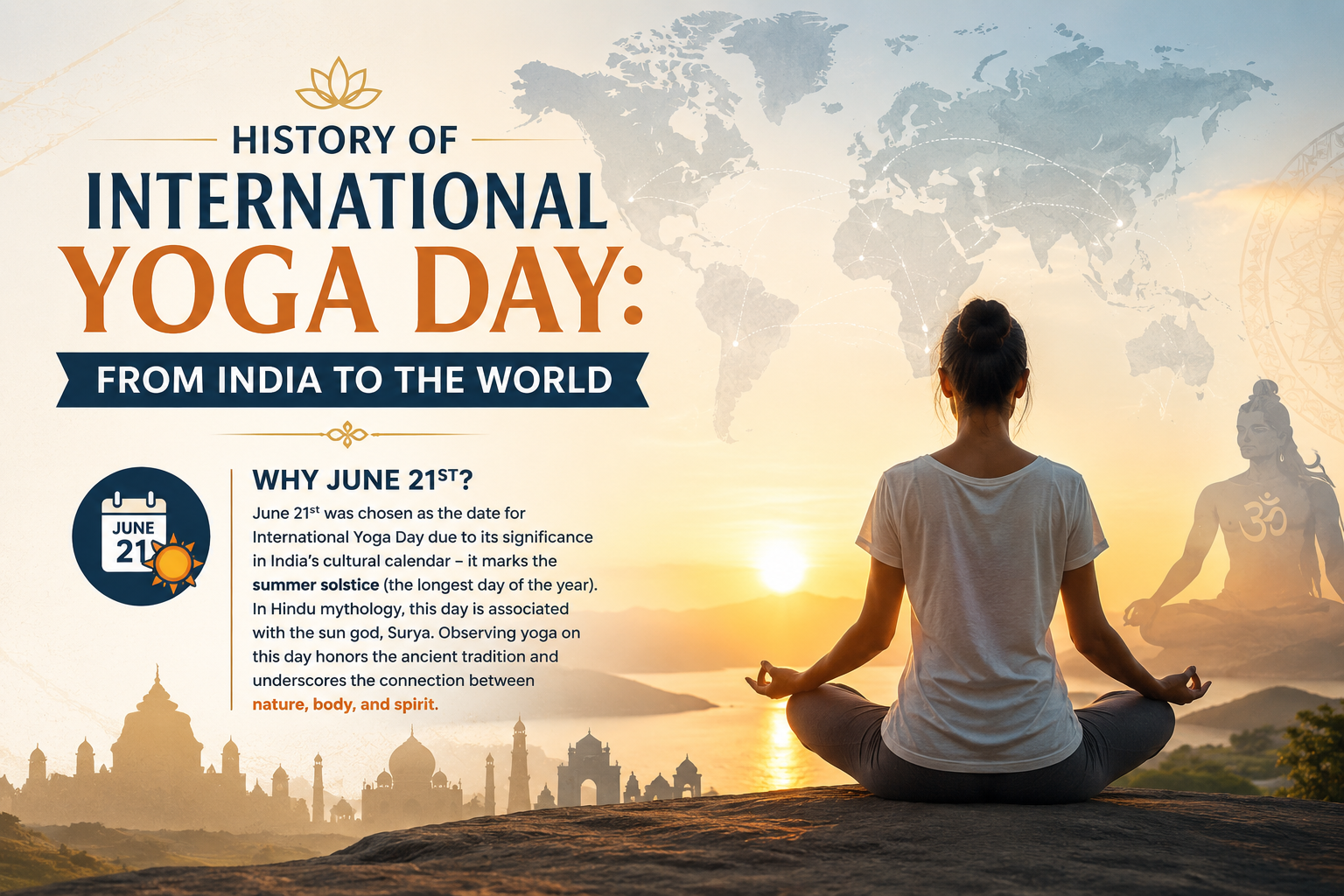
The Journey of International Yoga Day: From India to the World
As we celebrate another year of International Yoga Day, it’s essential to acknowledge and appreciate the profound journey that has led us here. The concept of yoga as a way of life, not just a physical practice, has traversed geographical boundaries, cultures, and time zones. In this article, we will delve into the fascinating history of International Yoga Day, exploring its evolution from India to becoming a global phenomenon.
The Origins: Ancient India
Yoga’s roots date back over 5,000 years to ancient India, where it was revered as a sacred practice for spiritual growth and self-realization. The Vedas, Hindu scriptures, contain the earliest references to yoga, emphasizing its connection to the divine. The Indian sage Patanjali systematized yoga in his iconic text, the Yoga Sutras, outlining eight limbs of yoga that are still studied today.
The Revival: Swami Vivekananda and Paramahansa Yogananda
In the early 20th century, two influential Indian gurus played a pivotal role in popularizing yoga worldwide. Swami Vivekananda’s pioneering work introduced yoga to the West, while Paramahansa Yogananda’s Self-Realization Fellowship made yoga more accessible globally. Their teachings paved the way for yoga to transcend its traditional boundaries and find acceptance as a universal practice.
The Global Recognition: United Nations Resolution
In 2014, India’s persistent efforts led to the United Nations (UN) declaring June 21st as International Yoga Day. This momentous occasion marked a significant milestone in yoga’s journey towards global recognition. The UN resolution acknowledged yoga’s potential to unite people, promote physical and mental well-being, and foster spiritual growth.
Why June 21st?
June 21st was chosen as the date for International Yoga Day due to its significance in India’s cultural calendar – it marks the summer solstice (the longest day of the year). In Hindu mythology, this day is associated with the sun god, Surya. Observing yoga on this day honors the ancient tradition and underscores the connection between nature, body, and spirit.
Evolution and Adaptation: Global Yoga Practices
As International Yoga Day gained momentum, yoga began to evolve in various ways around the world. Traditional Indian practices merged with modern interpretations, making yoga more inclusive and accessible to diverse populations. Western-style yoga emerged as a distinct entity, focusing on physical postures, breathing techniques, and meditation.
Therapeutic Applications: Modern Yoga
In recent years, yoga’s therapeutic applications have come into focus, particularly in India. With the rise of lifestyle disorders such as diabetes, hypertension, and anxiety, yoga has been increasingly recognized for its potential to mitigate these conditions. Indian researchers have explored yoga’s effects on cardiovascular health, mental well-being, and stress management.
Cultural Fusion: Celebrations Around the World
Today, International Yoga Day is celebrated with great enthusiasm across the globe. Cities like New York, London, Tokyo, and Sydney host vibrant events, while India’s capital city, Delhi, holds a massive gathering at Rajpath. The day has become an occasion for people from all walks of life to come together, share yoga practices, and promote unity.
Tips for Celebrating International Yoga Day
- Practice yoga with friends or family members
- Incorporate local traditions and customs into your practice
- Learn about the history and philosophy behind yoga
- Share your yoga experiences on social media using #InternationalYogaDay
Frequently Asked Questions
What is the significance of June 21st in the context of International Yoga Day?
June 21st marks the summer solstice (the longest day of the year) and is associated with the sun god, Surya, making it a significant date for yoga practice.
How has yoga evolved over time to become a global phenomenon?
Yoga has merged traditional Indian practices with modern interpretations, becoming more inclusive and accessible worldwide.
What are some therapeutic applications of yoga that have been researched in India?
Research has focused on yoga’s effects on cardiovascular health, mental well-being, stress management, and lifestyle disorders such as diabetes and hypertension.
As we celebrate International Yoga Day, let us remember the profound journey it has undertaken to reach its global stature. May this day inspire us to explore yoga’s depths, foster greater understanding between cultures, and embark on our individual journeys towards wellness and self-discovery.
By embracing yoga as a universal language, we can transcend geographical boundaries and unite in our pursuit of physical, mental, and spiritual well-being.
theyogi
Therapeutic Yoga Practitioner