Table of Contents
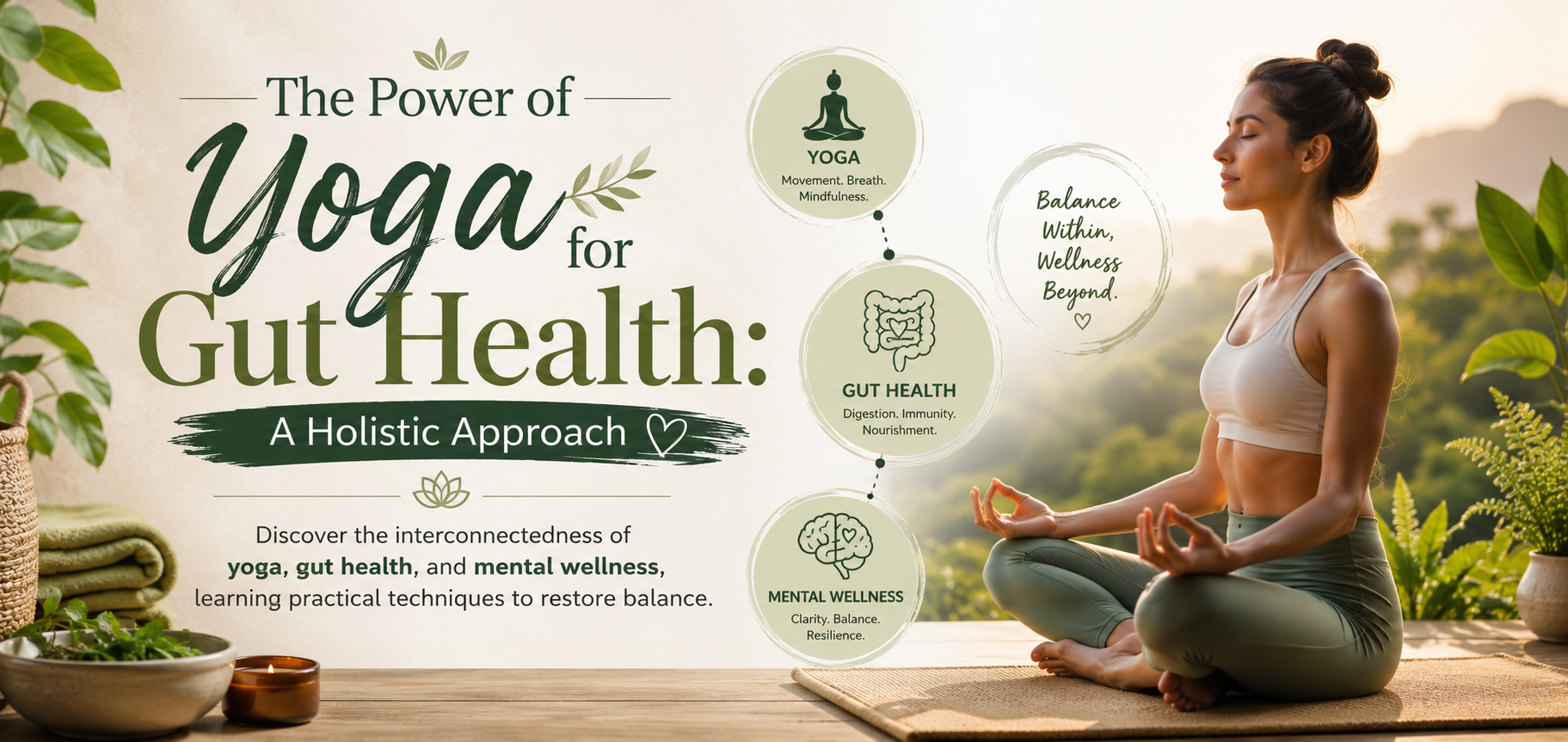
Unlocking a Healthier You: The Power of Yoga for Gut Health
In recent years, there has been a growing awareness about the importance of gut health in maintaining overall well-being. The connection between the digestive system and mental clarity is no longer a topic of debate, but rather a widely accepted concept that emphasizes the need for holistic approaches to health. As we delve into this fascinating relationship, one often-overlooked yet incredibly effective tool emerges: yoga. By combining traditional yoga practices with specific techniques aimed at gut health, individuals can experience profound benefits for their overall well-being.
The Gut-Brain Axis and Stress
The gut-brain axis is a bidirectional communication network between the central nervous system (CNS) and the enteric nervous system (ENS), which governs our digestive processes. This intricate connection plays a significant role in modulating stress responses, influencing both physical and mental health. Chronic stress can disrupt the balance of the gut microbiome, leading to inflammation, bloating, and other digestive issues.
Yoga for Gut Health: A Holistic Approach
Yoga offers a unique combination of physical postures (asanas), breathing techniques (pranayama), and meditation practices that can positively impact gut health in several ways:
- Digestive Stimulation: Certain yoga poses, such as the abdominal twists and forward bends, stimulate digestive organs, enhancing blood flow to the intestines.
- Relaxation Response: Regular practice of calming yoga techniques, like progressive muscle relaxation and deep breathing exercises, triggers a relaxation response in the body. This counters the effects of chronic stress on the gut-brain axis.
Specific Yoga Techniques for Gut Health
Incorporating these specialized techniques into your daily routine can have a profound impact:
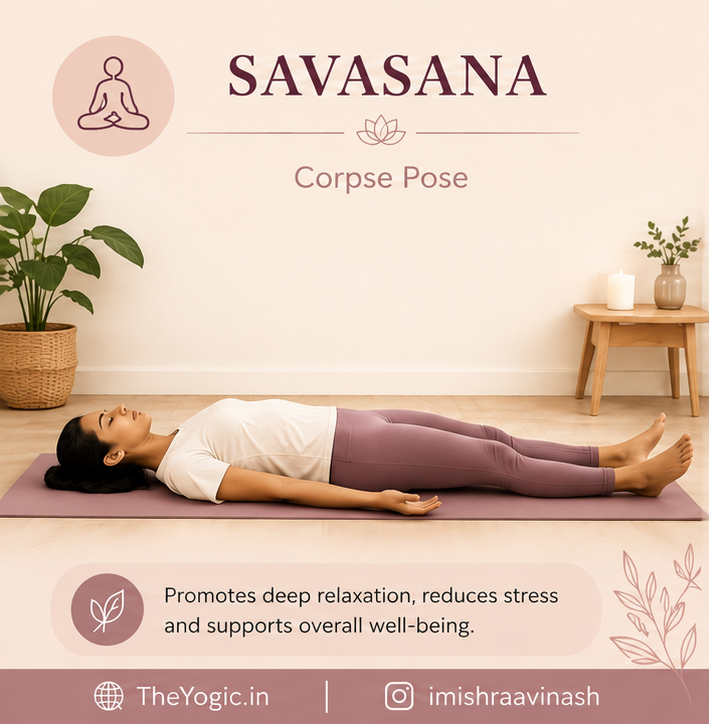
- Savasana with Abdominal Massage: Lie on your back and gently massage your abdomen while in Savasana (Corpse Pose). This stimulates digestion and relaxation.
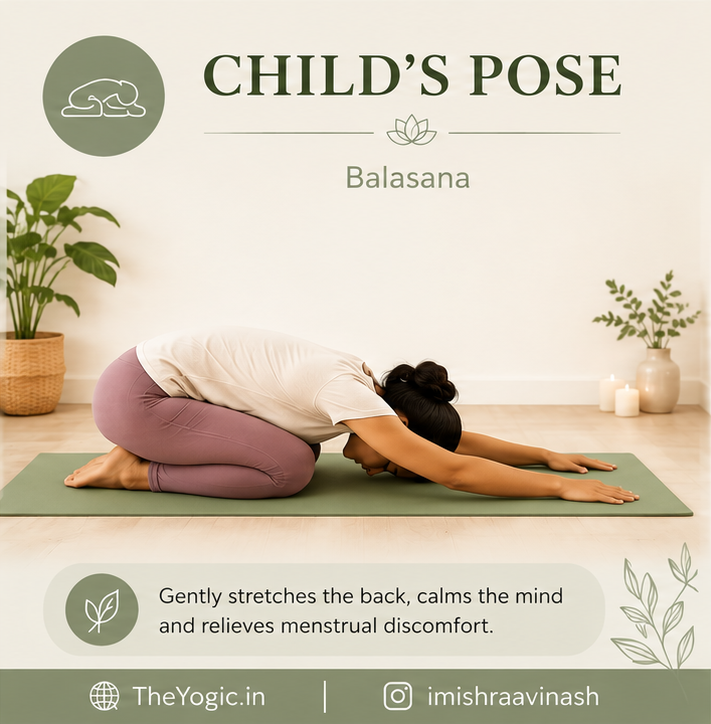
- Child’s Pose with Deep Breathing: Practice Child’s Pose, placing your forehead to the ground, and focus on deep, slow breaths. This calms the nervous system and promotes gut health.
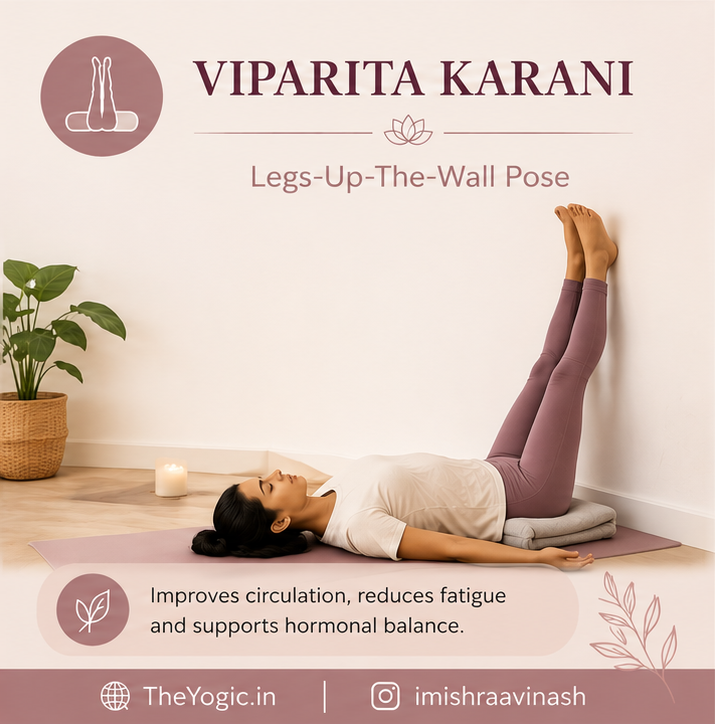
- Legs Up the Wall Pose (Viparita Karani): Lie on your back with legs elevated against a wall, which can help alleviate bloating and stimulate digestion.
Tips for Integrating Yoga into Your Daily Routine
Incorporating yoga practices specifically designed to support gut health requires dedication and consistency. Here are some practical tips to get you started:
- Start Small: Incorporate one or two yoga sessions per week, focusing on gentle practices that promote relaxation.
- Listen to Your Body: Honor your body’s limitations and modify poses as needed.
- Practice Regularly: Commit to a consistent practice to experience the full benefits of yoga for gut health.
Frequently Asked Questions
Can I do yoga if I have digestive issues or chronic pain?
Yes, but it is recommended that you consult with a healthcare professional or certified yoga therapist before starting any new practice. They can help modify poses and provide guidance tailored to your specific needs.
How long does it take to see results from practicing yoga for gut health?
Benefits may be experienced immediately, while others may take several weeks or months to manifest. Patience and consistency are key.
A Final Word of Encouragement
The connection between yoga and gut health is a testament to the profound impact that holistic practices can have on our well-being. By embracing this powerful combination, you’ll unlock not only a healthier gut but also a clearer mind, greater resilience to stress, and an enhanced overall quality of life. As you embark on this transformative journey, remember that every breath, every pose, and every moment counts towards cultivating a vibrant, balanced self.
Also read: Yoga for Vata Imbalance: Tips and Techniques to Restore Balance