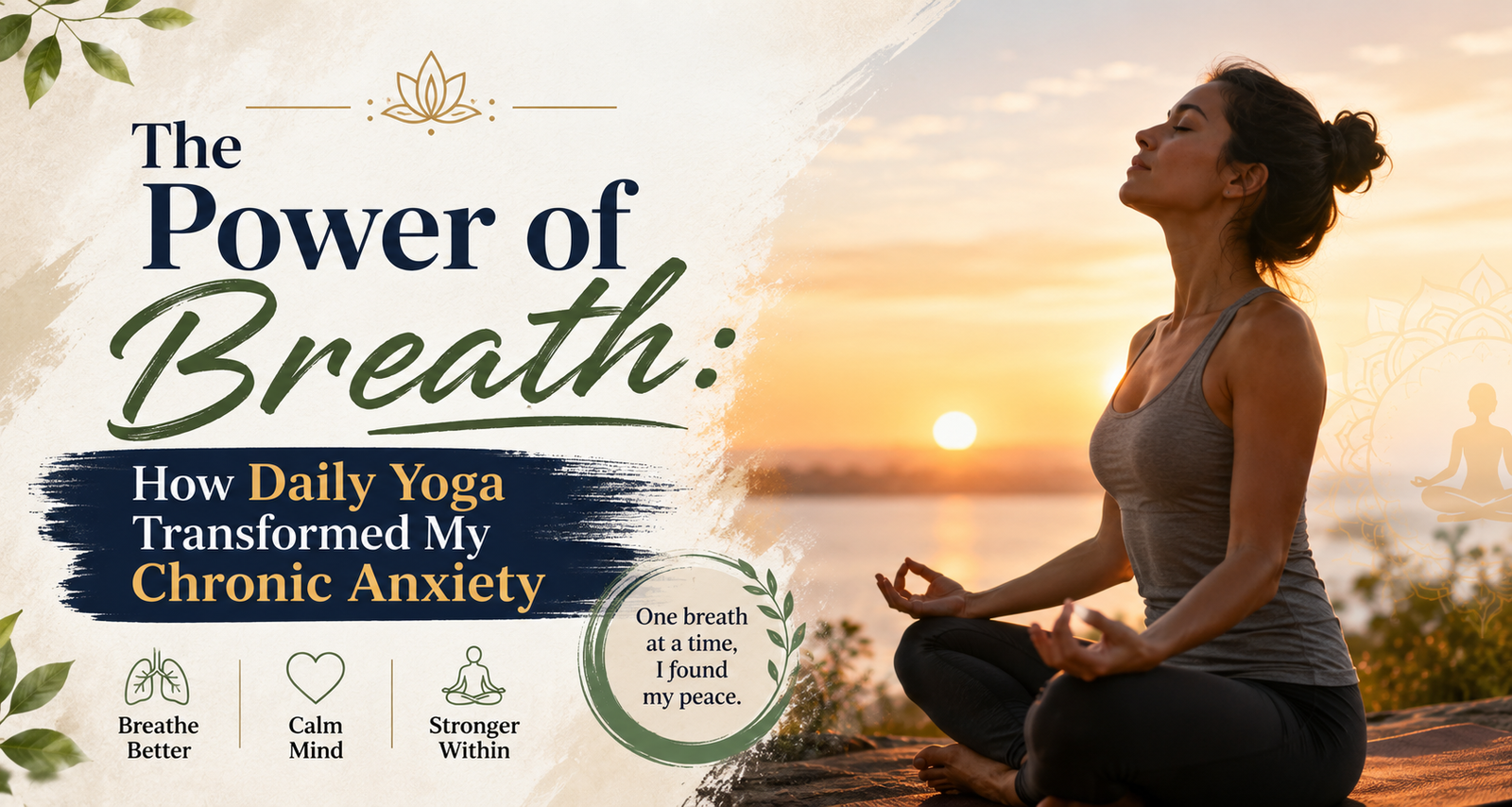
The Power of Breath: How Daily Yoga Transformed My Chronic Anxiety
For years, I lived in the shadow of chronic anxiety. My mind was a storm of racing thoughts, and my body carried the weight of constant tension. Simple tasks felt overwhelming, and even the idea of sleeping at night was a battle. I tried everything—medication, therapy, and lifestyle changes—but nothing seemed to quiet the noise until I discovered the transformative power of yoga for anxiety relief. Through consistent practice, I learned to harness my breath, calm my nervous system, and reclaim my sense of peace. This journey taught me that yoga isn’t just about physical postures; it’s a holistic practice that nurtures the mind, body, and spirit. In this article, I’ll share how daily yoga became my sanctuary, offering practical insights and inspiration for anyone seeking relief from anxiety through yoga for anxiety relief.
Understanding Chronic Anxiety and Its Impact
Chronic anxiety is more than fleeting worry—it’s a persistent, often overwhelming state of unease that disrupts daily life. For many, it manifests as a racing heart, sleeplessness, or an inability to focus. In India, where stress from work, family responsibilities, and societal expectations is rampant, anxiety disorders are increasingly common. Yet, the cultural stigma around mental health often prevents people from seeking help. I was no exception. For years, I internalized my anxiety as a personal failing, believing I had to “push through” it. It wasn’t until I explored yoga for anxiety relief that I realized my struggle was not a weakness but an opportunity for healing.
Chronic anxiety can take a toll on both physical and emotional well-being. It weakens the immune system, disrupts digestion, and strains relationships. But it also teaches us resilience. By understanding the root causes of our anxiety—whether it’s past trauma, unresolved stress, or imbalances in lifestyle—we can begin to address it holistically. Yoga for anxiety relief offers a gentle yet powerful way to restore balance, starting with the breath.
The Science of Breath: How Yoga for Anxiety Relief Works
Yoga for anxiety relief begins with the breath. Ancient yogic texts emphasize that the breath is the bridge between the body and mind. When we’re anxious, our breathing becomes shallow and rapid, triggering a fight-or-flight response. This cycle of stress and breathlessness perpetuates anxiety, creating a feedback loop that’s hard to break. But through mindful breathing techniques, we can disrupt this cycle and calm the nervous system.
One of the most effective practices I adopted was pranayama, or breath control. A simple technique called Nadi Shodhana (alternate nostril breathing) helped me regain control. By inhaling through one nostril, holding the breath, and exhaling through the other, I could slow my heart rate and quiet my thoughts. Scientific studies also support the role of breathing in anxiety relief. Research shows that deep, rhythmic breathing activates the parasympathetic nervous system, which counteracts the body’s stress response.
Beyond breath control, yoga for anxiety relief also addresses the physical manifestations of anxiety. Tightness in the chest, clenched shoulders, and a tense jaw are common symptoms. Through gentle yoga postures like Child’s Pose (Balasana) and Seated Forward Bend (Paschimottanasana), I learned to release these physical tensions. These poses not only stretch the body but also encourage mindfulness, helping me stay present rather than spiraling into anxious thoughts.
Daily Yoga Practice: A Path to Calm
Incorporating yoga into my daily routine was the turning point in my journey. At first, I struggled to commit to even 10 minutes a day, but consistency became my greatest ally. Here’s how I structured my practice to maximize its benefits:
- Morning Routine: I began each day with a 10-minute yoga session, focusing on gentle stretches and breathing exercises. This helped me start the day with a sense of calm and clarity.
- Midday Reset: When anxiety crept in during the day, I practiced Box Breathing—inhale for four counts, hold for four, exhale for four, and hold again. This technique provided a quick mental reset.
- Evening Wind-Down: In the evening, I dedicated 15 minutes to a slower, more meditative practice, including Corpse Pose (Savasana) to release the day’s stress.
Over time, these small, consistent efforts became a sanctuary for my mind. The key was to approach yoga not as a rigid routine but as a flexible, compassionate practice. I learned to honor my body’s needs, whether that meant a longer session or a shorter one. This mindset shift allowed me to embrace yoga as a tool for self-care rather than a chore.
Integrating Yoga into Daily Life for Lasting Relief
The true power of yoga for anxiety relief lies in its ability to integrate into daily life. I discovered that yoga isn’t confined to the mat—it’s a way of living. Here are some practical insights to help you weave yoga into your routine:
- Mindful Movement: Incorporate short stretches or breathing exercises into your daily activities. For example, take a few minutes to stretch while waiting in line or practice deep breathing during a phone call.
- Create a Sacred Space: Dedicate a corner of your home to yoga, even if it’s just a small mat and a few candles. This space becomes a reminder of your commitment to self-care.
- Use Technology Wisely: Apps like Yoga with Adriene or Down Dog can guide your practice, especially when you’re short on time. However, be mindful of screen time and prioritize in-person sessions for deeper connection.
- Practice Gratitude: Pair your yoga practice with a moment of gratitude. Reflect on one thing you’re thankful for each day. This shifts your focus from anxiety to appreciation.
By making yoga a non-negotiable part of my life, I not only reduced my anxiety but also cultivated a deeper sense of resilience. The journey wasn’t linear—there were setbacks and moments of doubt—but each step forward brought me closer to peace.
FAQ: Common Questions About Yoga for Anxiety Relief
Can yoga really help with anxiety?
Yes, yoga for anxiety relief addresses both the physical and mental aspects of anxiety. By combining breathwork, movement, and mindfulness, it helps regulate the nervous system and reduce stress.
How long does it take to see results from yoga for anxiety relief?
Results vary, but many people report feeling calmer within a few weeks of consistent practice. The key is regularity, even if it’s just 10 minutes a day.
Is yoga for anxiety relief suitable for beginners?
Absolutely. Yoga is adaptable to all levels. Start with gentle practices and gradually build strength and flexibility. A qualified instructor can tailor the practice to your needs.
Can yoga replace medication for anxiety?
Yoga can be a complementary tool, but it’s important to consult with a healthcare professional before discontinuing any prescribed treatment.
What if I can’t find time for a full yoga session?
Even short sessions are beneficial. Focus on breathing exercises or a few stretches during breaks. Consistency matters more than duration.
The Takeaway: Embrace the Breath, Embrace Peace
My journey with yoga for anxiety relief taught me that healing is possible when we approach our struggles with compassion and intention. Through breath, movement, and mindfulness, I learned to quiet my mind and reclaim my sense of calm. Yoga isn’t a quick fix—it’s a lifelong practice that nurtures both body and spirit. For anyone grappling with anxiety, I encourage you to start small, stay consistent, and trust the process. The breath is your ally, and with it, you can transform your relationship with anxiety. Remember, you are not alone, and the path to peace begins with a single mindful breath.
theyogi
Therapeutic Yoga Practitioner