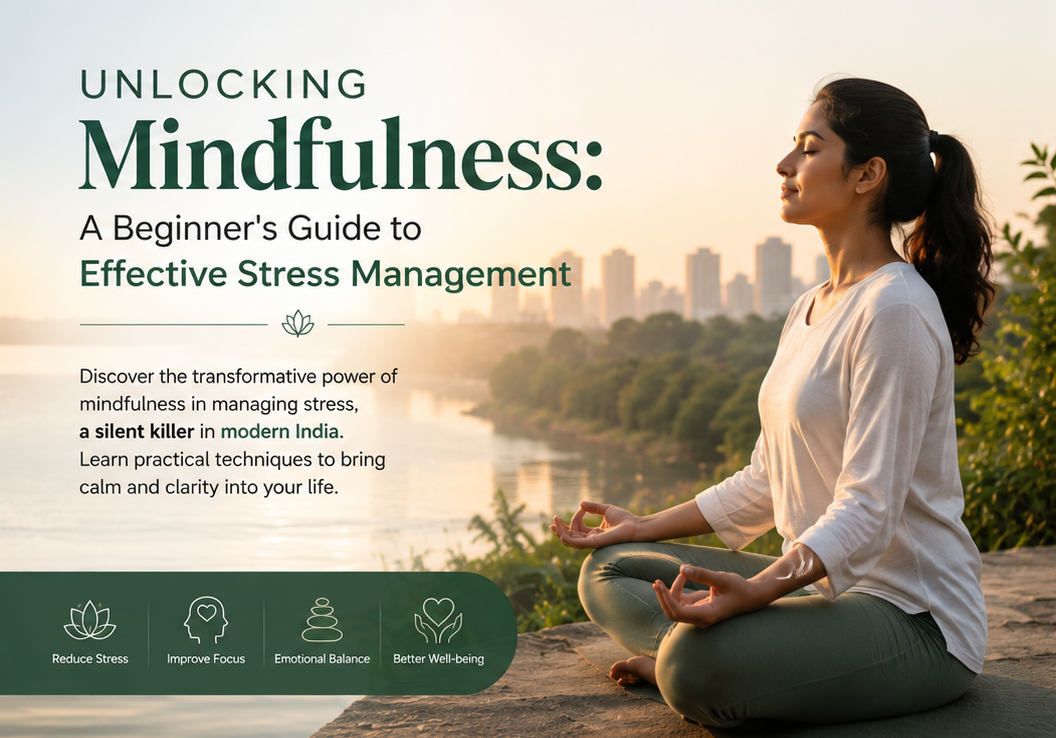
Unlocking Mindfulness: A Beginner’s Guide to Effective Stress Management
In today’s fast-paced world, managing stress has become an essential skill for urban professionals and seniors alike. With the demands of work, family, and personal responsibilities mounting, it’s no wonder that many Indians struggle with anxiety and burnout. However, what if you could find a way to unlock your inner calm and resilience? By adopting simple yet powerful mindfulness techniques, you can transform your relationship with stress and achieve a healthier balance between work and life.
Understanding Stress: The Indian Context
In India, the concept of “bhram” or mental tension is deeply ingrained in our culture. According to Ayurveda, chronic stress can lead to an imbalance in our doshas (Vata, Pitta, Kapha) and affect our overall well-being. Moreover, India’s rapidly changing lifestyle has led to an increase in anxiety-related disorders, such as depression and ADHD.
Effective stress management techniques for work-life balance india require a holistic approach that addresses the physical, emotional, and mental aspects of health. This beginner’s guide will introduce you to mindfulness practices, yoga poses, and breathing techniques that can help you navigate the complexities of modern life with greater ease and confidence.
Mindfulness Fundamentals
Mindfulness is the practice of being fully present in the moment, observing our thoughts, emotions, and physical sensations without judgment. Regular mindfulness practice has been shown to decrease stress hormones (cortisol) and increase feelings of calmness and well-being. Here are some key elements to get you started:
- Set aside a quiet, distraction-free space for daily mindfulness practice
- Start with short sessions (5-10 minutes) and gradually increase duration as you become more comfortable with the practice
- Focus on your breath, body sensations, or emotions without trying to change them
Mindful Breathing Techniques
Two simple yet powerful breathing techniques can help calm your nervous system:
- Diaphragmatic breathing (Belly Breathing): Place one hand on your belly and inhale deeply through your nose, allowing your belly to rise as you breathe in
- Alternate Nostril Breathing: Close your right nostril with your thumb and inhale through the left, then switch to exhale through the right
Yoga for Stress Relief
Yoga is an ancient Indian practice that combines physical postures (asanas), breathing techniques (pranayama), and meditation to balance the body’s energy. For stress relief, focus on gentle flows, forward bends, and relaxing poses:
- Child’s Pose (Balasana): Kneel with your knees wide apart and stretch your arms out in front
- Seated Forward Fold (Paschimottanasana): Sit with your legs extended and fold forward, keeping your knees slightly bent
Lifestyle Changes for Stress Management
In addition to mindfulness practices, make these simple lifestyle changes to reduce stress:
- Prioritize sleep: Aim for 7-8 hours of restful sleep each night
- Exercise regularly: Engage in physical activities that bring you joy, such as walking, swimming, or dancing
- Connect with nature: Spend time outdoors, and try to incorporate green spaces into your daily routine
Frequently Asked Questions
What is the difference between mindfulness and meditation?
Mindfulness is a broader concept that involves being present in daily activities, while meditation is a specific practice of focusing on the breath or a mantra.
Can I practice yoga if I have chronic health conditions?
Yes, many yoga styles are adaptable for people with chronic health conditions. Consult with a healthcare professional and consider working with a qualified yoga therapist.
How often should I practice mindfulness to see results?
Aim for at least 10-15 minutes of daily mindfulness practice, ideally in the morning or before bed. Consistency is key!
As you embark on this mindfulness journey, remember that small steps can lead to significant changes over time. By incorporating these stress management techniques into your daily routine, you’ll become more resilient, focused, and at peace with yourself and the world around you.
Takeaway: Unlocking mindfulness is a continuous process that requires patience, self-compassion, and a willingness to adapt. As you begin this journey, trust that you’re taking the first steps towards a more balanced, stress-free life – one breath, pose, and moment at a time.