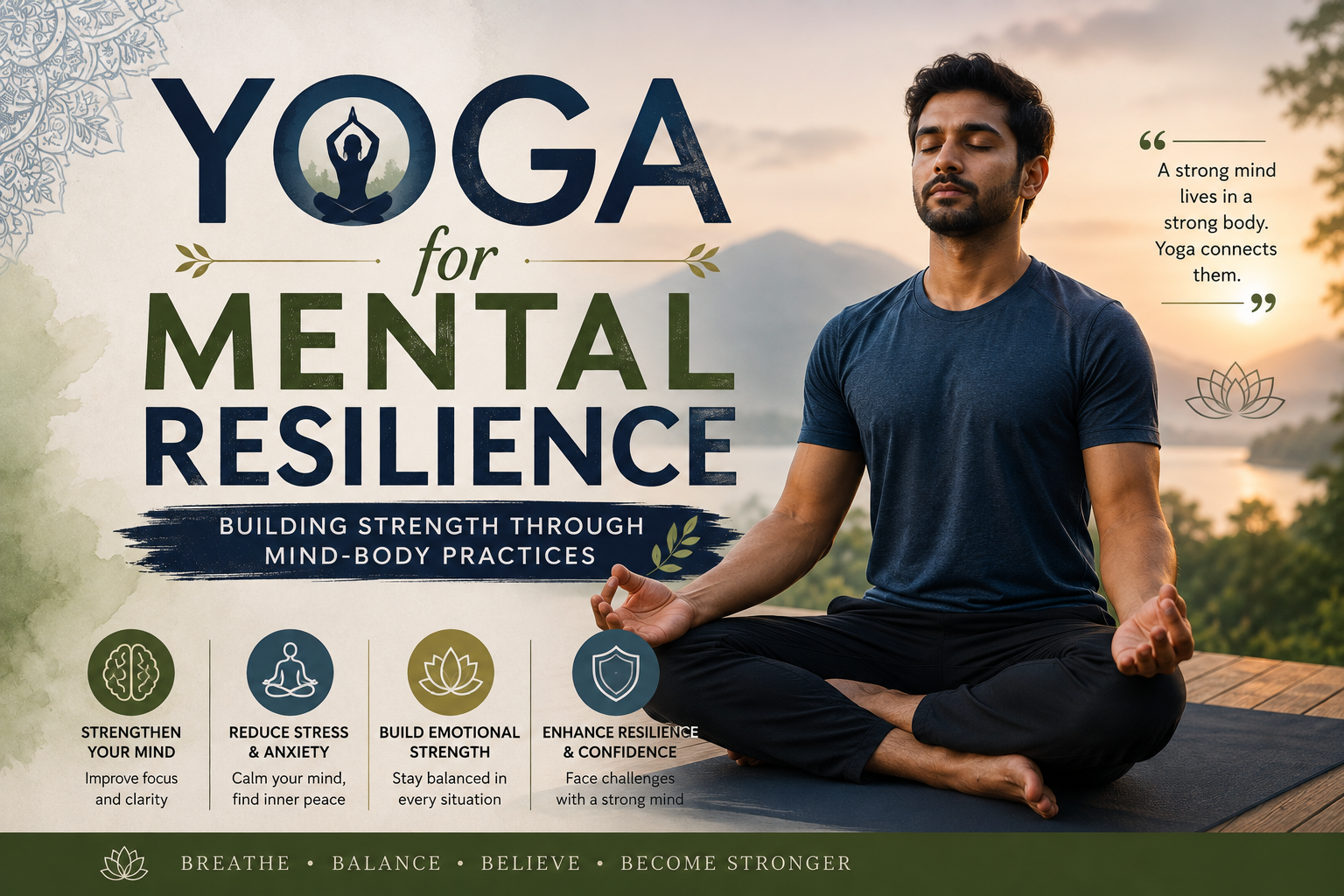
Understanding Mental Resilience and Its Link to Yoga
In today’s fast-paced, high-stress world, mental resilience has become a cornerstone of wellness, especially for those navigating the complexities of modern life. For Indian readers, who often juggle professional responsibilities, family obligations, and lifestyle disorders like anxiety, insomnia, or chronic fatigue, building mental resilience is not just a luxury—it’s a necessity. Yoga, with its ancient roots in holistic healing, offers a profound pathway to cultivate this resilience. At its core, Yoga for Mental Resilience is about harmonizing the mind and body to create inner stability, even in the face of adversity. This practice isn’t just about physical postures; it’s a transformative journey that empowers individuals to reclaim their mental strength through mindful awareness, breath control, and intentional movement.
The Science Behind Yoga and Mental Resilience
Modern research underscores the power of yoga to enhance mental resilience by regulating the nervous system and reducing stress hormones like cortisol. For Indian readers, who may face unique stressors such as work pressures, societal expectations, or health challenges, integrating yoga into daily life can be a game-changer. Studies show that regular yoga practice improves emotional regulation, enhances focus, and fosters a sense of calm. In the context of lifestyle disorders, yoga addresses the root causes of stress, such as poor sleep, emotional burnout, and unhealthy coping mechanisms. By combining physical activity with mindfulness, yoga creates a holistic approach to healing that aligns with traditional Ayurvedic principles of balance and well-being.
Practical Techniques for Cultivating Mental Resilience
To harness the benefits of Yoga for Mental Resilience, it’s essential to adopt specific practices that target both the mind and body. Here are three foundational techniques:
- Pranayama (Breath Control): Techniques like Nadi Shodhana (Alternate Nostril Breathing) and Ujjayi (Ocean Breath) help calm the nervous system and improve mental clarity.
- Yoga Asanas (Postures): Gentle poses like Sukhasana (Easy Seat) or Vajrasana (Thunderbolt Posture) promote relaxation, while dynamic flows like Sun Salutations build energy and focus.
- Meditation and Mindfulness: Daily meditation, even for 10 minutes, strengthens emotional resilience by training the mind to stay present and grounded.
These practices, when combined, create a powerful synergy that supports mental resilience in everyday life.
Integrating Yoga into Daily Life for Lasting Impact
Building mental resilience through yoga isn’t about dedicating hours to a practice—it’s about weaving it into the fabric of daily life. For Indian readers, this could mean starting the day with a 10-minute Pranayama session, incorporating mindful movement during breaks, or ending the day with a calming Yoga Nidra (Guided Relaxation) practice. The key is consistency, not perfection. Here’s how to make it sustainable:
- Start Small: Begin with short sessions (5–10 minutes) and gradually increase duration as comfort grows.
- Create a Routine: Align practice with natural rhythms, such as morning or evening, to build habit.
- Combine with Lifestyle Changes: Pair yoga with healthy habits like balanced nutrition, adequate sleep, and social connection to amplify its benefits.
By making yoga a non-negotiable part of life, individuals can gradually transform their relationship with stress, fostering resilience that extends beyond the mat.
Overcoming Common Challenges in Yoga Practice
Even with the best intentions, challenges like time constraints, physical limitations, or mental resistance can hinder progress. However, these obstacles are opportunities for growth. For instance, if time is limited, micro-practices like Anulom Vilom (Alternate Nostril Breathing) for 5 minutes or a 10-minute Yoga Nidra can be highly effective. For those with physical limitations, adaptive yoga poses and props (like blocks or straps) make practice accessible. Mentally, it’s important to approach yoga with compassion—celebrating small wins and acknowledging setbacks without judgment.
FAQ: Addressing Common Concerns About Yoga for Mental Resilience
Can yoga really help with anxiety and stress?
Yes, yoga reduces cortisol levels and promotes the release of endorphins, creating a calming effect on the mind and body.
How often should I practice to see results?
Even 15–20 minutes of daily practice can yield noticeable improvements in mental resilience over time.
Is yoga suitable for beginners?
Absolutely! Starting with gentle practices and seeking guidance from a qualified instructor ensures a safe and effective journey.
Can yoga address lifestyle disorders like insomnia?
Yes, calming techniques like Savasana (Corpse Pose) and Nadi Shodhana can improve sleep quality and reduce insomnia symptoms.
What if I can’t find time for yoga?
Prioritize short, focused sessions. Even 5 minutes of mindful breathing can make a difference.
Closing Takeaway: Embrace the Journey of Mental Resilience
Yoga for Mental Resilience is more than a practice—it’s a lifeline for those seeking balance in a chaotic world. For Indian readers, it offers a bridge between ancient wisdom and modern challenges, empowering individuals to navigate stress, anxiety, and lifestyle disorders with grace. By embracing yoga as a daily ritual, you’re not just building physical strength; you’re cultivating a profound inner resilience that transforms how you face life’s ups and downs. Remember, the journey is as important as the destination. Start small, stay consistent, and let yoga be your anchor in the ever-changing currents of life. Your mind, body, and spirit will thank you.
theyogi
Therapeutic Yoga Practitioner