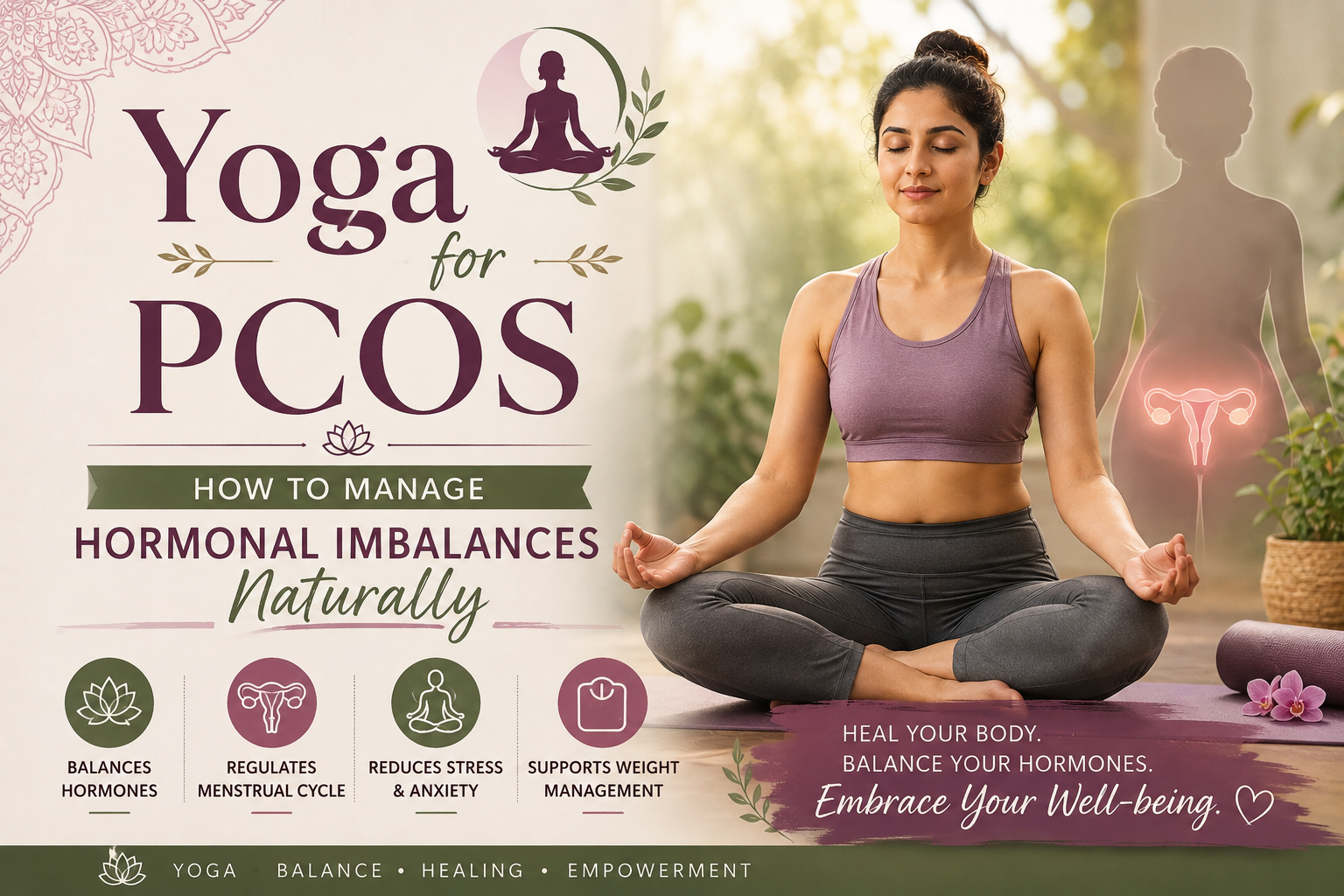
Yoga for PCOS: How to Manage Hormonal Imbalances Naturally
Polycystic Ovary Syndrome (PCOS) is a common endocrine disorder affecting millions of women in India, often leading to hormonal imbalances, irregular menstrual cycles, and metabolic complications. While medical treatments exist, many individuals seek holistic, natural approaches to manage symptoms. Yoga for PCOS offers a gentle yet powerful solution, combining physical postures, breathing techniques, and mindfulness to restore balance to the body’s systems. In this article, we explore how therapeutic yoga can help manage PCOS, along with practical tips to integrate yoga into your wellness routine.
Understanding PCOS and Hormonal Imbalances
PCOS is characterized by elevated levels of androgens (male hormones), insulin resistance, and irregular ovulation. These imbalances can lead to symptoms like acne, weight gain, fatigue, and infertility. In India, where lifestyle changes and stress are increasingly prevalent, the condition is often linked to poor dietary habits, sedentary lifestyles, and environmental factors.
Hormonal imbalances in PCOS are not just physiological—they also affect emotional well-being. Many women experience anxiety, depression, and low self-esteem due to the chronic nature of the condition. Yoga for PCOS addresses these challenges by promoting self-awareness, reducing stress, and supporting the body’s natural ability to regulate hormones.
The Science Behind Yoga for PCOS
Yoga has been shown to influence hormonal balance through its impact on the endocrine system and nervous system. Here’s how yoga for PCOS can help:
1. Reducing Stress and Cortisol Levels
Chronic stress elevates cortisol, exacerbating insulin resistance and hormonal fluctuations. Yoga practices like Pranayama (breathing exercises) and Savasana (corpse pose) activate the parasympathetic nervous system, lowering cortisol levels and promoting relaxation.
2. Regulating Insulin Sensitivity
Certain yoga poses improve blood circulation and metabolic function, helping the body better utilize insulin. This is particularly beneficial for women with PCOS who often struggle with insulin resistance.
3. Balancing Hormones Through Posture
Yoga for PCOS focuses on postures that stimulate the endocrine glands, such as the thyroid and adrenal glands. Gentle twists and forward folds can also help reduce stress on the reproductive system.
Targeted Yoga Poses for Hormonal Balance
Incorporating specific yoga poses into your routine can address PCOS symptoms effectively. Here are five key poses to try:
- Child’s Pose (Balasana)
- Benefits: Calms the nervous system, reduces stress, and supports hormonal balance.
- How to do it: Kneel on the floor, sit back on your heels, and stretch your arms forward while resting your forehead on the mat.
- Cat-Cow Pose (Marjaryasana-Bitilasana)
- Benefits: Stimulates the thyroid gland and improves digestion.
- How to do it: Move between arching your back (Cow Pose) and rounding it (Cat Pose) to create a flowing rhythm.
- Legs-Up-The-Wall Pose (Viparita Karani)
- Benefits: Reduces swelling, improves circulation, and promotes relaxation.
- How to do it: Lie on your back with your legs against a wall, allowing your hips to rest comfortably.
- Triangle Pose (Trikonasana)
- Benefits: Enhances digestion, balances hormones, and reduces stress.
- How to do it: Stand with your legs wide apart, bend one leg, and stretch your arms diagonally.
- Seated Forward Fold (Paschimottanasana)
- Benefits: Stimulates the pancreas and adrenal glands, aiding in hormonal regulation.
- How to do it: Sit with your legs extended, fold forward, and let your head rest on your knees.
Integrating Yoga into Daily Life
Consistency is key to reaping the benefits of yoga for PCOS. Here are practical tips to make it a part of your routine:
- Start with 15–20 minutes of daily practice, focusing on gentle flows and breathing.
- Practice yoga in the morning to kickstart your metabolism or in the evening to unwind.
- Pair yoga with a balanced diet rich in whole grains, vegetables, and healthy fats.
- Stay hydrated and avoid processed foods to support hormonal health.
- Consider joining a yoga class or using apps tailored for PCOS, such as Yoga with Adriene or Yoga for PCOS by Dr. Rupal Shah.
FAQ: Common Questions About Yoga for PCOS
How long does it take to see results with yoga for PCOS?
While individual results vary, many women notice improvements in energy levels and mood within 4–6 weeks of consistent practice.
Can yoga for PCOS replace medical treatment?
Yoga should complement, not replace, medical advice. Consult a healthcare provider for personalized treatment plans.
Is it safe to practice yoga during menstruation?
Yes, but avoid intense poses. Focus on gentle flows and restorative poses to support the body during this time.
What if I can’t do certain yoga poses?
Modify poses to suit your comfort level. Use props like blocks or straps to make movements easier.
Can yoga help with infertility related to PCOS?
While yoga cannot guarantee pregnancy, it can improve overall hormonal balance and reduce stress, which may enhance fertility outcomes.
Closing Takeaway
Yoga for PCOS is more than a physical practice—it’s a pathway to holistic healing. By integrating therapeutic yoga into your lifestyle, you can nurture your body, calm your mind, and restore balance to your hormonal system. Remember, healing is a journey, and every step you take with mindfulness and intention brings you closer to wellness. Embrace the power of yoga, and let it guide you toward a healthier, more vibrant life.
Also read..
Empowering Women: How Yoga Can Help Manage Polycystic Ovary Syndrome (PCOS)
Unlocking Joint Health: The Power of Yoga for Arthritis Management