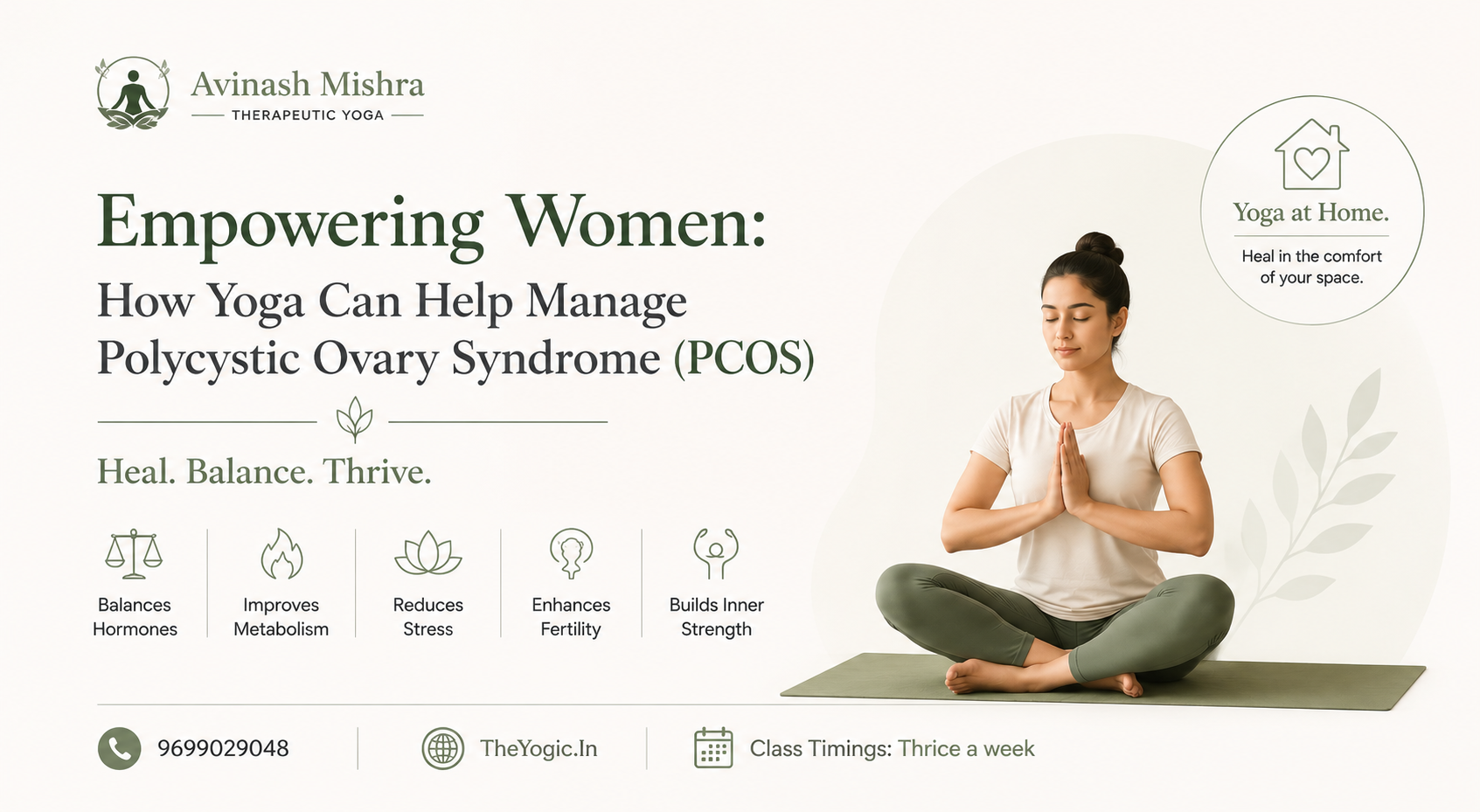
Empowering Women: How Yoga Can Help Manage Polycystic Ovary Syndrome (PCOS)
As a woman living with PCOS, you’re likely no stranger to frustration, fatigue, and feeling overwhelmed by the daily symptoms. The emotional and physical toll of this chronic condition can be debilitating, making it difficult to maintain a healthy lifestyle. But what if there was a way to take back control, manage your symptoms, and feel empowered in the process? Enter yoga – a holistic practice that has been shown to have a profound impact on women with PCOS.
Understanding PCOS
PCOS is a hormonal disorder affecting approximately 10-15% of Indian women. It’s characterized by irregular menstrual cycles, cysts on the ovaries, and excess androgen levels. While there’s no cure for PCOS, managing symptoms through lifestyle changes and medication can improve quality of life. However, many women find it challenging to maintain a healthy weight, deal with emotional stress, and cope with the physical demands of daily life.
The Role of Yoga in Managing PCOS
Research suggests that yoga can be an effective complementary therapy for women with PCOS. Regular practice has been shown to:
- Reduce stress and anxiety
- Improve insulin sensitivity and glucose metabolism
- Enhance menstrual regularity
- Support weight management
- Boost mood and overall well-being
Yoga’s holistic approach addresses the physical, emotional, and mental aspects of PCOS, making it an attractive option for women seeking a more natural approach to managing their symptoms.
Yoga Poses for PCOS Relief
While there are many yoga poses that can help alleviate PCOS symptoms, here are some of the most beneficial:
- Child’s Pose: Stretches the lower back and hips, promoting relaxation
- Downward-Facing Dog: Strengthens core muscles and improves insulin sensitivity
- Seated Forward Fold: Stimulates digestion, reduces stress, and promotes relaxation
- Plank Pose: Builds core strength, improving glucose metabolism and insulin sensitivity
Breathing Techniques for PCOS Relief
Breathwork is a crucial aspect of yoga practice. Deep, diaphragmatic breathing can help reduce stress and anxiety while promoting relaxation. Try these techniques:
- Alternate Nostril Breathing: Balances the nervous system, reducing stress and anxiety
- Box Breathing: Regulates breathing, improving focus and reducing stress
Making Yoga a Part of Your PCOS Management Plan
Incorporating yoga into your daily routine can seem daunting, but it’s easier than you think:
- Start with short sessions (20-30 minutes) and gradually increase duration
- Practice at home or join a local yoga class specifically designed for women with PCOS
- Focus on gentle, restorative yoga practices in the first trimester of menstruation
FAQs About Yoga and PCOS
Can I practice yoga if I’m experiencing severe PCOS symptoms?
While it’s essential to consult your healthcare provider before starting any new exercise routine, gentle yoga can be adapted to accommodate various levels of mobility and energy.
Will yoga help me lose weight with PCOS?
Yoga is not a quick fix for weight loss. However, regular practice can improve insulin sensitivity, reduce stress, and promote overall well-being, making it easier to manage weight.
Can I practice yoga during menstruation?
Yes! Gentle, restorative yoga practices can be beneficial during menstruation. Avoid deep forward bends or inversions that may exacerbate cramps.
Takeaway
Empowering women with PCOS requires a holistic approach that addresses physical, emotional, and mental well-being. Yoga offers a natural, effective way to manage symptoms, improve quality of life, and cultivate self-love and acceptance. By incorporating yoga into your daily routine, you’ll be taking the first step towards reclaiming control over your health and embracing your inner strength.
As you embark on this journey, remember that PCOS is not a limitation – it’s an opportunity to connect with your body, honor its needs, and find empowerment in the process. So take a deep breath, roll out your mat, and let yoga be your guide towards a healthier, happier you.