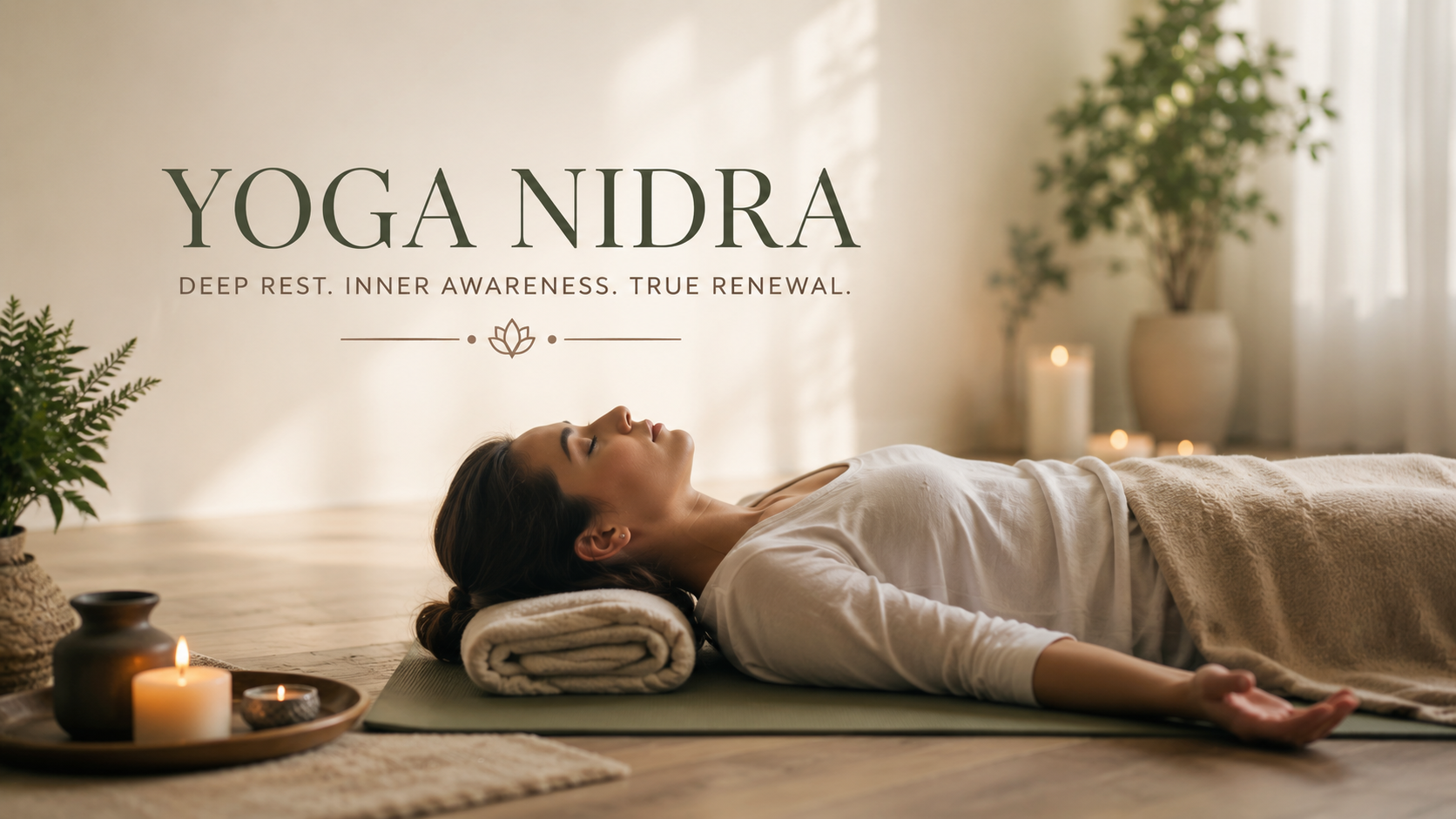
As we navigate the complexities of modern life, it’s easy to become mired in stress, anxiety, and a sense of disconnection from our inner selves. Amidst the chaos, yoga nidra offers a serene haven – a practice that awakens the body’s deepest relaxation response, quieting the mind and rekindling the spirit.
Yoga nidra is often translated as “guided meditation” or “deep sleep.” But it’s more than just another name for mindfulness exercises. This ancient Indian technique delves into the subconscious realm, where the boundaries between wakefulness and sleep are blurred. By entering this threshold state, we tap into a profound reservoir of inner peace, creativity, and rejuvenation.
To practice yoga nidra, find a quiet space to lie down comfortably, with your back supported by a cushion or mat. As you settle in, allow your body to release any residual tension – feel the weight of your limbs sinking into the earth, the gentle rise and fall of your chest, the softness of your breath.
Imagine a wave beginning to ebb from your crown, flowing down through your head, neck, and shoulders, dissolving any remaining knots or tightness. As this relaxation spreads, visualize it as a soothing balm, seeping into every cell, calming the nervous system, and quieting the mind’s chatter.
When practicing yoga nidra, you’re not asleep – but rather, in a state of heightened awareness, where the surface-level thoughts are gently stilled, allowing your deeper, intuitive self to emerge. In this sanctuary, you may discover new perspectives, creative insights, or a sense of renewed purpose.
As we close our yoga nidra practice, take a moment to acknowledge the stillness within. Recognize that this inner peace is always available – it’s simply a matter of tuning into your own frequency. Carry this quiet confidence with you throughout your day, as you navigate life’s challenges and complexities, trusting in your ability to find balance, clarity, and serenity.