
Yoga is the embodiment of being present in the moment, experiencing complete tranquility and inner peace. But what exactly is yoga? It can be described as “chitta vrutti nirodaha,” the state of quieting the mind’s incessant chatter and connecting with one’s inner source. Yoga is often referred to as a discipline because it involves dedicated practice and effort.
As Swami Kriyananda wisely said, cultivating a serene spirit allows us to effortlessly find solutions to problems that would otherwise consume us with days, weeks, or even months of restless contemplation. By embracing yoga, we can attain a state of perpetual calmness within our hearts.
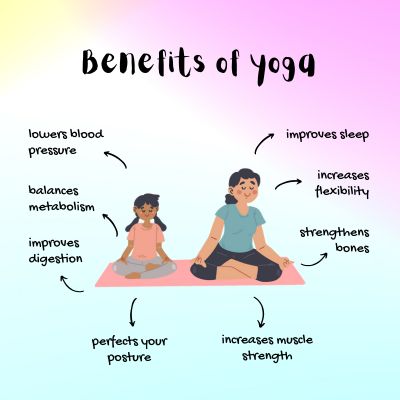
Furthermore, yoga goes beyond mere stretching and bending exercises. It encompasses a surprising aspect of physical strength. Engaging in yoga not only enhances flexibility but also requires a notable amount of muscular strength. This physical strength plays a crucial role in preventing injuries, bolstering the immune system, boosting metabolism, and facilitating everyday tasks, making life more manageable and enjoyable.
Moreover, yoga is not limited to the physical realm alone. It is a holistic practice that integrates the mind, body, and spirit. Through the regular practice of yoga, individuals can experience profound benefits that extend beyond the physical aspect.
One of the key aspects of yoga is its ability to promote mental and emotional well-being. As the mind becomes still and the constant stream of thoughts subsides, practitioners often find themselves in a state of clarity and inner peace. The practice of yoga encourages self-reflection and introspection, allowing individuals to develop a deeper understanding of themselves and their place in the world. This heightened self-awareness can lead to a greater sense of purpose, fulfillment, and overall happiness.
In addition, yoga offers a range of therapeutic benefits. It can be a powerful tool for managing stress, anxiety, and even depression. Through controlled breathing techniques, meditation, and specific yoga poses, individuals can learn to quiet the mind, release tension from the body, and cultivate a sense of inner calmness. The mindful and meditative aspects of yoga promote relaxation, reduce cortisol levels, and stimulate the production of endorphins, which are natural mood enhancers.
Furthermore, yoga fosters a deep connection between the body and the breath. The practice encourages conscious breathing, which not only oxygenates the body but also helps to cultivate a deep sense of mindfulness and presence. This awareness of the breath not only enhances the physical practice of yoga but also carries over into everyday life, enabling individuals to navigate challenges with a greater sense of composure and resilience.
Ultimately, yoga is a transformative practice that extends far beyond the physical postures. It is a pathway to self-discovery, self-acceptance, and personal growth. By integrating the mind, body, and spirit, yoga provides a comprehensive approach to well-being, promoting strength, balance, flexibility, and inner peace. Whether one seeks physical fitness, emotional healing, or spiritual awakening, yoga offers a profound and multifaceted journey of self-exploration and transformation.