Namaste,
For years, yoga and weight training have often been viewed as two separate approaches to fitness. Yoga is associated with flexibility, mindfulness, and inner balance, while weight training is known for building strength, muscle mass, and physical endurance.
But what happens when these two powerful disciplines come together?
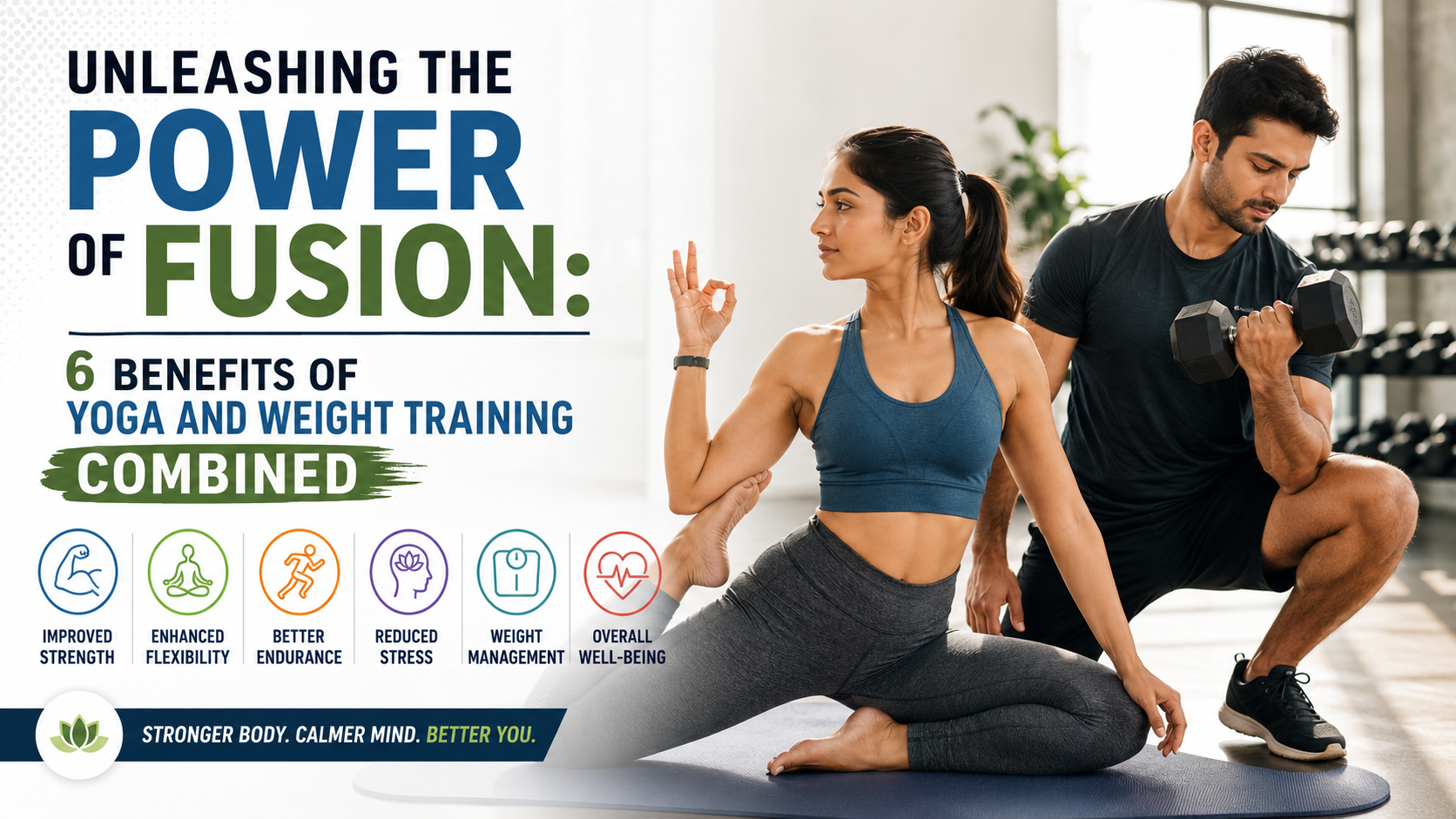
The answer is a balanced and highly effective fitness system that develops strength, mobility, stability, and mental resilience simultaneously. Rather than competing with one another, yoga and weight training complement each other perfectly, creating a holistic approach to health and performance.
Whether your goal is to build muscle, improve athletic performance, lose weight, prevent injuries, or simply feel stronger and more energized, combining yoga with weight training can help you achieve results more efficiently while supporting long-term wellness.
1. Improved Flexibility and Mobility
One of the most common challenges faced by individuals who regularly lift weights is muscle tightness and restricted mobility.
Yoga helps counteract these effects by stretching muscles, tendons, and connective tissues throughout the body. Increased flexibility improves movement quality during weight training exercises and allows joints to move through their full range of motion.
Benefits:
- Improved exercise technique
- Better posture and alignment
- Reduced muscle stiffness
- Enhanced athletic performance
2. Greater Strength Development
While weight training builds muscular strength through resistance, yoga develops functional strength by requiring the body to stabilize and support itself through various positions.
When combined, these practices create a balanced approach to strength development.
Benefits:
- Increased muscular endurance
- Better core stability
- Improved body control
- Balanced muscle development
3. Enhanced Balance and Stability
Many yoga postures challenge coordination, balance, and proprioception—the body’s awareness of its position in space.
These qualities directly benefit weight training by improving control during exercises such as squats, lunges, deadlifts, and overhead presses.
Benefits:
- Better movement efficiency
- Increased joint stability
- Improved coordination
- Reduced risk of falls and injuries
4. Reduced Risk of Injury
Injuries often occur due to poor movement patterns, muscle imbalances, and inadequate mobility.
Yoga promotes body awareness, proper alignment, and muscular balance, helping individuals move more efficiently both inside and outside the gym.
Benefits:
- Better posture
- Improved recovery
- Corrected muscular imbalances
- Lower likelihood of strains and overuse injuries
5. Better Stress Management and Mental Focus
Physical fitness is not only about building a stronger body—it is also about developing a calmer and more focused mind.
Yoga incorporates breathing techniques (pranayama) and mindfulness practices that help reduce stress, improve concentration, and support emotional well-being.
Benefits:
- Reduced stress and anxiety
- Enhanced mental clarity
- Improved workout focus
- Better sleep quality
6. Improved Body Composition and Weight Management
Weight training helps build lean muscle mass, which increases metabolic rate and supports fat loss. Yoga complements these benefits by encouraging mindful eating habits, reducing stress-related cravings, and supporting hormonal balance.
Together, they create a sustainable approach to achieving and maintaining a healthy body composition.
Benefits:
- Increased calorie expenditure
- Improved metabolism
- Better fat-loss results
- Sustainable weight management
Essential Yoga Poses for Weight Training
If you are incorporating yoga into your strength-training routine, these foundational poses can provide excellent support:
Downward-Facing Dog (Adho Mukha Svanasana)
Stretches the hamstrings, calves, shoulders, and spine while improving circulation.
Warrior II (Virabhadrasana II)
Builds lower-body strength, improves stability, and opens the hips.
Plank Pose
Strengthens the core, shoulders, arms, and stabilizing muscles.
Bridge Pose (Setu Bandhasana)
Activates the glutes and posterior chain while improving spinal mobility.
Tree Pose (Vrikshasana)
Enhances balance, concentration, and ankle stability.
Child’s Pose (Balasana)
Promotes recovery and releases tension throughout the body.
Pre-Workout Yoga Routine
A short yoga practice before weight training can prepare the body for movement and improve performance.
Suggested Routine:
- Gentle Sun Salutations
- Dynamic hip openers
- Cat-Cow stretches
- Downward-Facing Dog
- Low Lunge stretches
- Deep breathing exercises
Benefits:
- Warms up muscles
- Improves mobility
- Enhances joint function
- Increases focus and readiness
Post-Workout Yoga Routine
Yoga after strength training can accelerate recovery and reduce muscular tightness.
Suggested Routine:
- Seated Forward Fold
- Pigeon Pose
- Supine Twist
- Legs-Up-The-Wall Pose
- Savasana
Benefits:
- Promotes muscle recovery
- Improves flexibility
- Reduces soreness
- Supports relaxation
Safety Tips for Combining Yoga and Weight Training
To maximize benefits and minimize risks, keep these principles in mind:
- Always warm up before training.
- Focus on proper exercise technique.
- Avoid overstretching fatigued muscles.
- Stay hydrated throughout the day.
- Schedule adequate rest and recovery.
- Progress gradually and consistently.
- Seek professional guidance when needed.
Remember that recovery is just as important as training itself.
Finding the Right Balance
The key to successfully combining yoga and weight training is finding a routine that supports your individual goals.
A balanced weekly schedule might include:
- 3–4 weight training sessions
- 2–3 yoga sessions
- 1–2 active recovery days
Rather than viewing yoga as separate from strength training, think of it as a powerful tool that enhances every aspect of your fitness journey.
Final Thoughts
Yoga and weight training are not opposites—they are partners.
Weight training builds strength, power, and muscular development. Yoga enhances flexibility, mobility, balance, recovery, and mental clarity. Together, they create a complete fitness system that supports both physical performance and overall well-being.
By integrating yoga into your strength-training routine, you can move better, recover faster, reduce injury risk, and develop a stronger connection between your body and mind.
The true power lies not in choosing one over the other, but in embracing the benefits of both.
Ready to Begin?
Whether you’re a dedicated gym enthusiast, a yoga practitioner, or someone seeking a more balanced approach to fitness, I can help you create a personalized yoga plan that complements your goals and lifestyle.
As a certified yoga instructor, I specialize in designing practical and effective yoga programs that support strength training, flexibility, recovery, stress management, and overall wellness.
Let’s work together to build a stronger, healthier, and more balanced version of you.
With gratitude,
Avinash Mishra
Founder & Yoga Instructor
The Yogic